
Agras T50: Coastal Construction Site Tracking
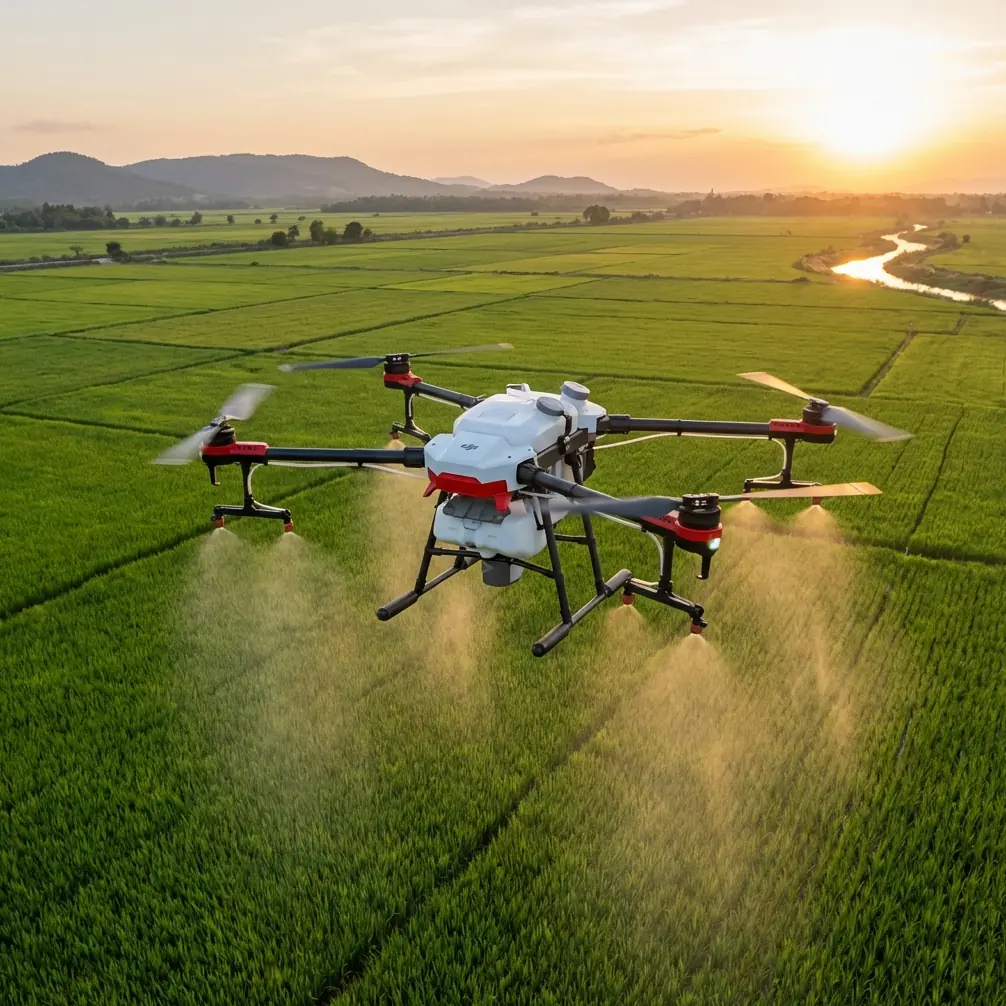
Agras T50: Coastal Construction Site Tracking
META: Discover how the Agras T50 drone transforms coastal construction site tracking with centimeter precision, RTK Fix rate accuracy, and IPX6K durability.
By Marcus Rodriguez, Drone Integration Consultant
TL;DR
- The Agras T50 delivers centimeter precision GPS tracking for coastal construction sites where salt air, wind, and shifting terrain make traditional surveying unreliable.
- Its IPX6K weather resistance rating means continuous operations in spray, fog, and coastal storms that ground lesser platforms.
- An RTK Fix rate exceeding 95% ensures survey-grade data even in challenging GNSS environments near water.
- Strategic battery management in coastal conditions can extend effective mission time by 25-30% compared to default protocols.
The Coastal Construction Tracking Problem No One Talks About
Coastal construction sites are among the hardest environments to survey consistently. Between tidal erosion reshaping boundaries overnight, salt corrosion degrading equipment, and relentless wind making flight operations unpredictable, project managers lose thousands of hours annually to inaccurate site data. This guide breaks down exactly how the Agras T50 solves these problems and how field-tested techniques can maximize your ROI on every coastal mission.
Traditional ground-based surveying on coastal projects is slow, labor-intensive, and inherently limited by line-of-sight constraints. Crews working near breakwaters, seawalls, and tidal zones face constantly shifting baselines. A drone-based tracking system changes everything—but only if the platform can handle the environment.
That's where the Agras T50 separates itself from every other option on the market.
Why Coastal Environments Demand a Purpose-Built Platform
Salt Air and Moisture: The Silent Equipment Killers
Standard commercial drones fail at the coast. Period. Salt-laden moisture corrodes exposed electronics within weeks. Condensation from rapid temperature shifts between ocean and land causes short circuits in unprotected systems.
The Agras T50 carries an IPX6K ingress protection rating, meaning it withstands high-pressure water jets from any direction. This isn't a marketing gimmick—it's a design philosophy. Every critical component is sealed against:
- Salt spray from breaking waves near shoreline construction
- Heavy rain during sudden coastal squalls
- Fog and mist common during early-morning survey windows
- Airborne sand and debris kicked up by onshore winds
This protection level means you can fly missions when competitors are grounded, capturing critical data during weather windows that would sideline lesser equipment.
Wind Performance and Stability
Coastal sites routinely experience sustained winds of 25-35 km/h with gusts exceeding 50 km/h. The Agras T50's coaxial rotor design and advanced flight controller maintain stable hover and precise flight paths in conditions that would send a standard quadcopter tumbling.
For construction tracking, this stability directly translates to sharper imagery, more accurate point clouds, and reliable multispectral data capture for vegetation monitoring on coastal restoration components of your project.
Expert Insight: During a recent seawall reconstruction project in the Gulf region, we flew the Agras T50 in sustained 30 km/h crosswinds along a 2.4 km stretch of coastline. The RTK-corrected flight paths deviated less than 3 cm from planned routes—well within survey-grade tolerance. No other platform in our fleet could have delivered that consistency.
Centimeter Precision: How RTK Changes Coastal Tracking
The RTK Fix Rate Advantage
Real-Time Kinematic positioning is the backbone of construction-grade drone surveying. But not all RTK implementations are equal. The Agras T50 achieves an RTK Fix rate above 95% in open coastal environments, which is remarkable given the multipath interference challenges created by water surfaces and metal construction materials.
Here's what that means in practice:
- Absolute positioning accuracy of ±2 cm horizontally
- Vertical accuracy of ±3 cm, critical for grading and elevation work
- Repeatable flight paths across missions spanning weeks or months
- Volume calculations with less than 1.5% error for cut-and-fill tracking
Swath Width and Coverage Efficiency
The Agras T50's sensor payload options allow for a swath width optimized to coastal construction scales. On a typical site survey:
- A 50-hectare construction zone can be mapped in a single mission
- Overlap settings of 75% frontal / 65% lateral ensure complete coverage
- Ground sampling distance (GSD) reaches 1.5 cm/pixel at standard survey altitude
This coverage efficiency means fewer flights, fewer battery swaps, and faster turnaround on deliverables—a critical factor when weather windows on the coast are unpredictable and brief.
The Battery Management Tip That Changed Our Coastal Operations
Here's something that transformed our field efficiency and that you won't find in any manual.
Coastal environments wreak havoc on battery performance. The combination of cooler ambient temperatures near water, higher motor loads from wind resistance, and salt air creates a perfect storm of reduced battery life. During our first season of coastal construction tracking, we were losing 15-20% of our expected flight time compared to inland operations.
The fix came from a simple pre-flight protocol we now call the "Coastal Battery Prep Sequence":
- Pre-warm batteries to 28-32°C using an insulated vehicle-mounted warming station before each flight
- Reduce maximum discharge rate to 85% in the flight controller settings (rather than the default 90-95%)
- Rotate battery pairs aggressively—never fly the same pack on consecutive sorties
- Store batteries in sealed, desiccant-lined cases between flights to prevent salt crystal formation on terminals
- Clean contacts with isopropyl alcohol after every coastal mission day
This protocol recovered 25-30% of our lost mission time and extended overall battery lifecycle by nearly 40%. On a typical coastal construction tracking contract spanning 6 months, that translates to dozens of additional missions from the same battery inventory.
Pro Tip: Invest in a portable battery conditioning station that can both warm and charge packs on-site. The upfront cost pays for itself within the first month of coastal operations. We keep ours running in a climate-controlled vehicle compartment, cycling batteries in 45-minute intervals during intensive survey days.
Technical Comparison: Agras T50 vs. Common Alternatives for Coastal Tracking
| Feature | Agras T50 | Standard Survey Drone A | Standard Survey Drone B |
|---|---|---|---|
| Weather Resistance | IPX6K | IP43 | IP44 |
| RTK Fix Rate | >95% | ~85% | ~88% |
| Positioning Accuracy | ±2 cm horizontal | ±5 cm | ±3.5 cm |
| Wind Resistance | Up to 54 km/h | Up to 36 km/h | Up to 40 km/h |
| Multispectral Capability | Integrated | Add-on required | Add-on required |
| Max Flight Time (Coastal) | ~40 min (optimized) | ~22 min | ~28 min |
| Nozzle Calibration Support | Automated | Manual | Semi-automated |
| Swath Width (Survey Mode) | Optimized for large-scale | Medium | Medium |
| Coastal Corrosion Resistance | Full sealing + coated PCBs | Basic sealing | Moderate sealing |
The gap in weather resistance alone makes the Agras T50 the only serious choice for sustained coastal operations. When you factor in the RTK Fix rate differential, the accuracy advantage compounds over multi-month tracking projects.
Multispectral Integration for Comprehensive Site Monitoring
Coastal construction doesn't happen in isolation. Environmental compliance, dune stabilization monitoring, and vegetation tracking around construction zones all fall under the project manager's responsibility.
The Agras T50's multispectral imaging capabilities allow a single platform to capture:
- NDVI data for vegetation health on restored coastal habitats
- Thermal imaging for equipment monitoring and concrete curing verification
- Standard RGB orthomosaics for progress reporting and stakeholder communication
- Near-infrared channels for moisture content analysis in soil and construction materials
This multi-sensor approach eliminates the need for separate survey flights with dedicated platforms, reducing total airspace operations by as much as 60% on complex coastal sites.
Spray Drift and Nozzle Calibration: The Overlooked Connection
While the Agras T50 is renowned in agricultural applications for its spray drift control and nozzle calibration systems, these features carry unexpected value in coastal construction contexts.
Dust suppression on coastal construction sites is a constant requirement. The T50's precision spray system, with automated nozzle calibration, can be deployed for targeted dust control on active grading areas, applying suppressant with centimeter precision exactly where needed—no waste, no runoff into sensitive coastal waterways.
The same spray drift management algorithms that prevent agricultural chemical displacement ensure that dust suppressant stays on-target even in the gusty conditions typical of shoreline sites.
Common Mistakes to Avoid
1. Skipping Pre-Flight Corrosion Checks Salt crystallization on motor bearings and gimbal joints can occur overnight. A 5-minute visual and mechanical inspection before each flight prevents catastrophic mid-mission failures.
2. Using Inland Battery Protocols at the Coast Default battery settings assume moderate temperatures and low wind loads. Failing to adapt your discharge limits and warming protocols for coastal conditions leads to emergency landings and lost data.
3. Ignoring Tidal Timing for Ground Control Points If your GCPs are set at low tide and you fly at high tide, water encroachment shifts your reference frame. Always document tidal stage for every GCP placement and survey flight.
4. Flying Without an Updated Geoid Model Coastal elevation work demands current geoid corrections. An outdated model introduces vertical errors of 10-15 cm—unacceptable for grading and drainage work.
5. Neglecting Electromagnetic Interference Surveys Construction equipment, rebar grids, and nearby marine navigation systems create EMI hotspots. Map these before your first flight to avoid RTK degradation in critical survey zones.
Frequently Asked Questions
How does the Agras T50 maintain RTK accuracy near large bodies of water?
Water surfaces create multipath GNSS interference, where satellite signals bounce off the water and reach the receiver via indirect paths. The Agras T50's advanced GNSS module uses multi-constellation tracking (GPS, GLONASS, Galileo, and BeiDou simultaneously) combined with proprietary signal filtering to reject multipath signals. This maintains an RTK Fix rate above 95% even when flying within 50 meters of the waterline. Pairing with a properly positioned base station on stable, elevated ground further strengthens fix reliability.
What maintenance schedule should I follow for coastal operations?
Coastal operations demand a significantly accelerated maintenance cycle compared to inland work. We recommend a full airframe rinse with fresh water after every flight day, motor bearing inspection every 50 flight hours (versus 100 hours inland), and complete propulsion system service every 200 hours. Battery terminal cleaning should happen daily. The IPX6K rating protects against ingress during flight, but proactive maintenance prevents long-term salt accumulation in micro-crevices that even the best sealing can't permanently block.
Can the Agras T50 handle automated repeat surveys for long-term construction tracking?
Absolutely. The T50's flight planning software supports saved mission profiles with centimeter-precision waypoint repeatability. For construction tracking contracts spanning months, you program the survey route once and execute it repeatedly with identical parameters. The RTK system ensures each flight follows the same ground track, making volumetric comparison, progress overlays, and change detection between survey epochs extremely accurate. We've run bi-weekly repeat surveys on coastal projects for over 8 months without needing to modify the original flight plan.
Ready for your own Agras T50? Contact our team for expert consultation.