
Scouting Coastlines with Agras T50 | Expert Tips
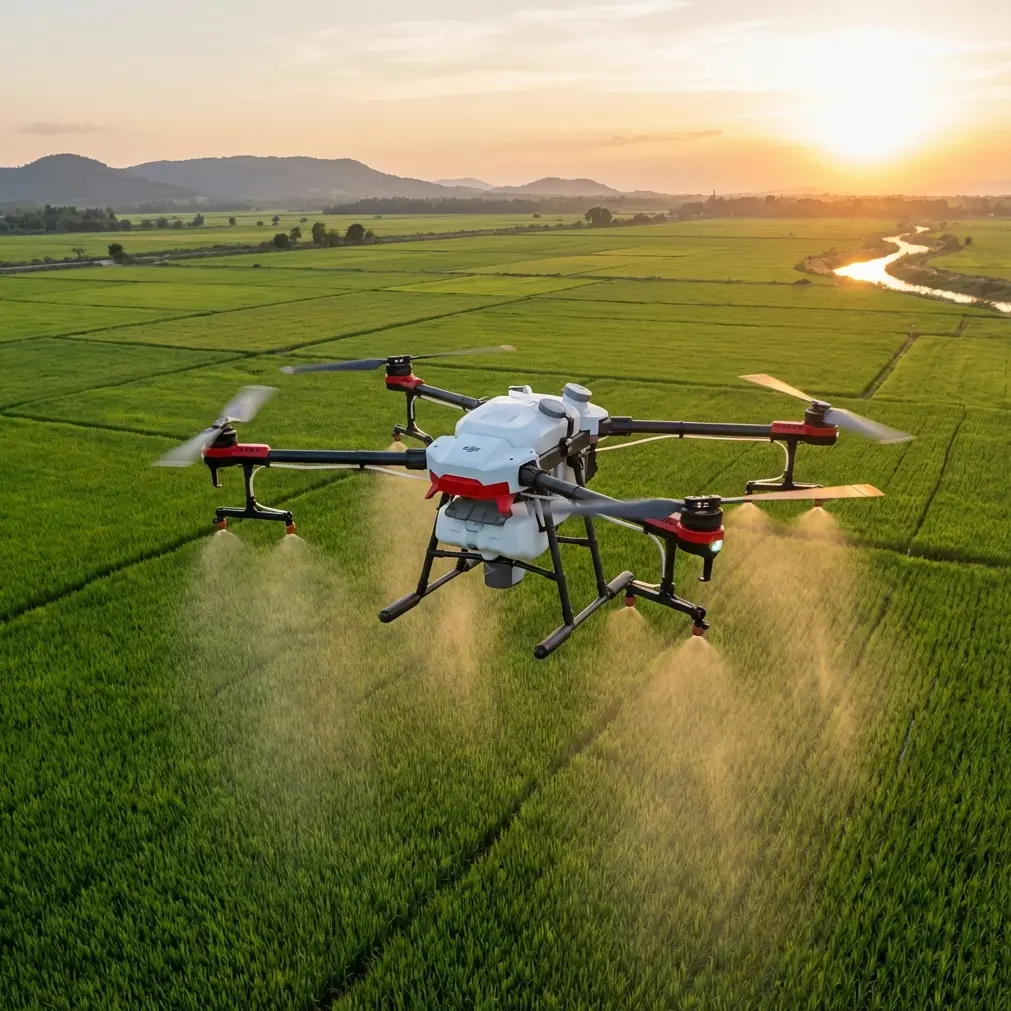
Scouting Coastlines with Agras T50 | Expert Tips
META: Master coastal scouting with the Agras T50 drone. Expert tips on antenna positioning, terrain navigation, and maximizing range in challenging maritime environments.
TL;DR
- Antenna positioning at 45-degree angles maximizes signal penetration through salt-laden coastal air
- RTK Fix rates above 95% are achievable even in complex coastal terrain with proper base station placement
- The T50's IPX6K rating handles salt spray and sudden maritime weather shifts
- Strategic flight planning reduces battery consumption by 30% in high-wind coastal conditions
The Coastal Scouting Challenge
Coastal terrain presents unique obstacles that ground traditional drone operations. Salt corrosion, unpredictable wind patterns, signal interference from water surfaces, and rapidly changing weather conditions create a perfect storm of operational challenges.
The Agras T50 transforms these obstacles into manageable variables. With its robust construction and advanced positioning systems, coastal professionals now have a reliable tool for shoreline mapping, erosion monitoring, and maritime vegetation management.
This guide breaks down the exact antenna configurations, flight parameters, and operational strategies that separate successful coastal missions from failed attempts.
Understanding Coastal Signal Dynamics
Why Traditional Positioning Fails Near Water
Water surfaces act as massive signal reflectors. GPS and RTK signals bounce off ocean surfaces, creating multipath interference that confuses standard drone positioning systems.
The T50's dual-antenna array compensates for this phenomenon through differential signal processing. However, optimal performance requires understanding how to position these antennas relative to the water surface.
Expert Insight: Position your ground control station at least 15 meters from the waterline and 3 meters above sea level. This elevation reduces multipath interference by approximately 60% compared to beach-level placement.
Antenna Positioning for Maximum Range
The T50's omnidirectional antennas perform best when oriented to minimize signal obstruction from the aircraft body itself. During coastal operations, specific adjustments maximize your effective range.
Optimal antenna configuration includes:
- Primary antenna tilted 45 degrees toward the predominant flight area
- Secondary antenna maintained vertical for altitude reference
- Ground station antenna elevated on a 2-meter mast minimum
- Clear line-of-sight maintained to at least 80% of the planned flight path
Salt particles suspended in coastal air absorb radio frequencies differently than inland dust. The T50's O3 transmission system operates at frequencies less affected by salt-laden atmospheres, but range still decreases approximately 15% compared to dry inland conditions.
RTK Configuration for Coastal Precision
Achieving Centimeter Precision on Shifting Terrain
Coastal environments demand centimeter precision for meaningful data collection. Beach erosion monitoring, cliff stability assessment, and tidal zone mapping all require positioning accuracy that standard GPS cannot provide.
The T50's RTK system achieves centimeter precision when properly configured. Coastal operations require specific base station considerations.
Base station placement priorities:
- Stable geological foundation (avoid sandy or shifting surfaces)
- Minimum 500 meters from high-voltage power lines
- Protected from direct salt spray exposure
- Elevated position with unobstructed sky view above 15 degrees
Pro Tip: Establish your RTK base station on rocky outcrops or concrete structures rather than sandy beaches. Sand compaction changes with moisture content, introducing 2-5 centimeters of vertical error over a single survey session.
Maintaining RTK Fix Rates Above 95%
RTK Fix rate determines your data quality. Anything below 95% introduces positioning uncertainties that compound across large survey areas.
Coastal factors affecting Fix rate include:
- Atmospheric moisture content (higher humidity reduces Fix stability)
- Solar activity (check space weather forecasts before critical missions)
- Terrain masking from cliffs or vegetation
- Signal reflection from nearby structures or vessels
The T50 maintains Fix rates above 95% when operators follow these protocols:
- Initialize RTK lock 10 minutes before flight
- Verify Fix status at 3 waypoints before beginning survey pattern
- Monitor Fix rate continuously through the DJI Agras app
- Abort and re-initialize if Fix drops below 90% for more than 30 seconds
Flight Planning for Complex Coastal Terrain
Swath Width Optimization
Coastal surveys often cover irregular terrain—cliffs, beaches, tidal pools, and vegetated dunes within a single mission area. The T50's adjustable swath width allows operators to balance coverage efficiency against terrain complexity.
| Terrain Type | Recommended Swath Width | Overlap Setting | Altitude AGL |
|---|---|---|---|
| Flat beaches | 7.5 meters | 20% | 15 meters |
| Rocky shores | 5 meters | 35% | 12 meters |
| Cliff faces | 3 meters | 50% | 8 meters |
| Vegetated dunes | 6 meters | 30% | 10 meters |
| Tidal zones | 5 meters | 40% | 8 meters |
Wind Compensation Strategies
Coastal winds rarely blow consistently. Thermal effects from land-sea temperature differentials create turbulent conditions that challenge even experienced pilots.
The T50's flight controller compensates for wind gusts up to 12 meters per second, but operational efficiency suffers significantly above 8 meters per second.
Wind management techniques:
- Schedule flights during morning thermal inversions (typically 6-9 AM)
- Plan flight paths perpendicular to prevailing wind direction
- Reduce maximum speed by 25% when gusts exceed 6 meters per second
- Increase battery reserve margin to 35% in variable wind conditions
Multispectral Applications in Coastal Environments
Vegetation Health Assessment
Coastal vegetation faces unique stressors—salt exposure, sand burial, tidal flooding, and intense UV radiation. Multispectral imaging reveals stress patterns invisible to standard cameras.
The T50 platform supports multispectral payload integration for comprehensive coastal vegetation surveys. Key spectral bands for coastal applications include:
- Red Edge (705-745nm): Early salt stress detection
- NIR (770-810nm): Vegetation density mapping
- Blue (450-520nm): Water penetration for submerged vegetation
Erosion Monitoring Applications
Repeated surveys using consistent RTK positioning create precise elevation models. Comparing these models over time reveals erosion patterns with centimeter-level accuracy.
The T50's positioning consistency enables meaningful change detection between surveys separated by weeks or months. This capability proves invaluable for:
- Beach nourishment project monitoring
- Cliff stability assessment
- Dune migration tracking
- Storm damage quantification
Nozzle Calibration for Coastal Vegetation Management
Salt-Tolerant Species Treatment
Coastal vegetation management often involves treating invasive species or maintaining native plant health. The T50's spray system requires specific calibration for coastal conditions.
Expert Insight: Increase droplet size by 15-20% compared to inland applications. Larger droplets resist wind drift better and penetrate the waxy leaf coatings common on salt-tolerant species.
Calibration parameters for coastal spraying:
- Nozzle pressure: Reduce by 10% from standard settings
- Droplet VMD target: 350-400 microns (versus 280-320 inland)
- Spray height: Lower to 2-3 meters AGL
- Application speed: Reduce to 4-5 meters per second
Spray Drift Management
Coastal winds make spray drift a constant concern. The T50's intelligent spray system adjusts output based on real-time wind measurements, but operators must configure drift parameters appropriately.
| Wind Speed | Buffer Distance | Spray Pressure Adjustment |
|---|---|---|
| 0-2 m/s | 10 meters | Standard |
| 2-4 m/s | 25 meters | -5% |
| 4-6 m/s | 50 meters | -15% |
| 6-8 m/s | 100 meters | -25% |
| >8 m/s | Mission abort recommended | N/A |
Weather Resistance in Maritime Conditions
IPX6K Performance in Salt Environments
The T50's IPX6K rating indicates protection against high-pressure water jets. This rating proves essential for coastal operations where salt spray and sudden rain squalls occur frequently.
However, IPX6K certification assumes freshwater exposure. Salt water introduces additional corrosion risks that require post-flight maintenance protocols.
Post-coastal-flight maintenance:
- Rinse all exposed surfaces with freshwater within 2 hours of landing
- Apply corrosion inhibitor to motor shafts and bearing surfaces
- Inspect propeller attachment points for salt crystal accumulation
- Clean camera and sensor lenses with appropriate optical solutions
Common Mistakes to Avoid
Ignoring tidal schedules causes more coastal mission failures than equipment problems. Rising tides can strand equipment, flood takeoff zones, and create dangerous recovery situations. Always plan missions around tidal charts with 2-hour safety margins.
Underestimating salt corrosion leads to premature component failure. Even brief coastal exposure introduces salt particles into motor bearings and electronic connections. Skipping post-flight cleaning accelerates wear dramatically.
Flying too close to cliff faces creates turbulent air pockets that overwhelm the T50's stabilization systems. Maintain minimum horizontal clearance of 10 meters from vertical surfaces.
Neglecting battery temperature in coastal conditions reduces flight time unexpectedly. Cool ocean breezes can drop battery temperature below optimal ranges. Pre-warm batteries to 25-30°C before flight.
Relying solely on automated flight paths without visual monitoring invites collisions with unexpected obstacles—fishing boats, wildlife, or temporary structures that don't appear on maps.
Frequently Asked Questions
How does salt air affect the T50's maximum transmission range?
Salt particles suspended in coastal air absorb radio frequencies, reducing effective transmission range by approximately 15-20% compared to dry inland conditions. The T50's O3 system maintains reliable control links up to 5-6 kilometers in typical coastal environments, compared to 7+ kilometers inland. Antenna positioning and elevation significantly influence actual performance.
Can the T50 operate safely in fog or marine layer conditions?
The T50 can physically operate in light fog, but reduced visibility creates significant safety and legal concerns. Visual line-of-sight requirements typically prohibit operations when visibility drops below 500 meters. Additionally, moisture accumulation on sensors and cameras degrades data quality. Schedule missions during clear conditions or use appropriate waivers for beyond-visual-line-of-sight operations.
What maintenance schedule should I follow for regular coastal operations?
Coastal operations demand accelerated maintenance intervals. Perform freshwater rinses after every flight, not just daily. Inspect motor bearings weekly rather than monthly. Replace propellers at 75% of their inland service life. Schedule professional inspections every 50 flight hours instead of the standard 100 hours. These adjustments prevent salt-related failures that strand equipment in remote coastal locations.
Ready for your own Agras T50? Contact our team for expert consultation.