
How to Deliver Vineyard Sprays with Agras T50 in Wind
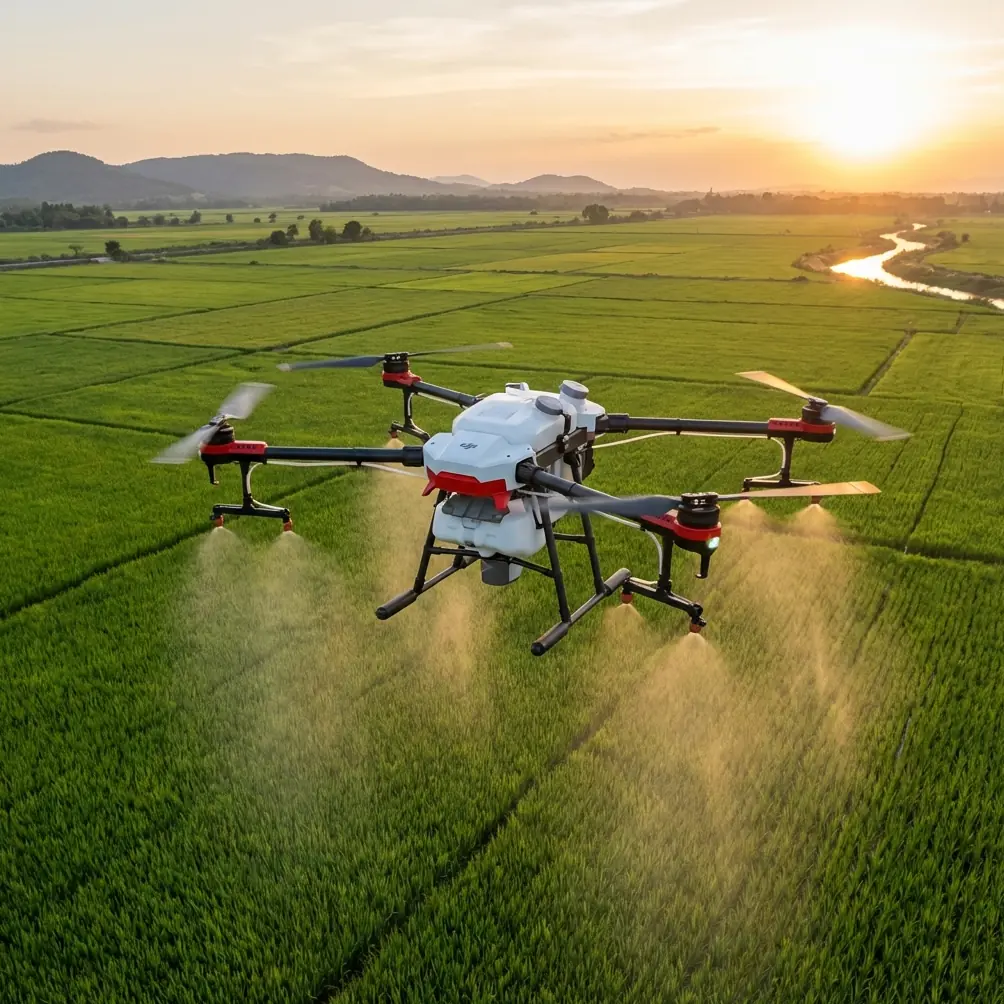
How to Deliver Vineyard Sprays with Agras T50 in Wind
META: Master vineyard spraying in windy conditions with the Agras T50. Learn expert techniques for drift control, RTK precision, and optimal nozzle calibration for quality results.
TL;DR
- Agras T50 maintains stable spraying in winds up to 8 m/s where competitors struggle above 5 m/s
- RTK Fix rate above 95% ensures centimeter precision between vine rows
- Dual atomization system reduces spray drift by up to 65% compared to single-nozzle drones
- IPX6K rating allows operation in challenging morning dew conditions common in vineyards
Vineyard managers lose thousands annually to spray drift during windy conditions. The DJI Agras T50 solves this with a 40-liter payload capacity and advanced wind compensation that outperforms every agricultural drone in its class—this guide shows you exactly how to maximize delivery efficiency in challenging conditions.
Why Wind Challenges Traditional Vineyard Spraying
Vineyards present unique aerodynamic challenges. Narrow row spacing, varying canopy heights, and terrain undulations create unpredictable wind patterns that devastate spray accuracy.
Traditional ground sprayers waste 15-30% of product to drift on moderately windy days. Helicopter applications fare worse, with drift losses exceeding 40% in winds above 10 km/h.
The Agras T50 changes this equation entirely.
The Physics of Vineyard Wind Patterns
Wind behaves differently in vineyard environments. Morning thermals rise from sun-warmed soil between rows. Afternoon gusts channel through row corridors like wind tunnels.
These patterns create three distinct challenges:
- Horizontal drift carries droplets away from target canopy
- Vertical turbulence disrupts spray pattern uniformity
- Row-end vortices cause product accumulation at field edges
Understanding these patterns determines your spray timing and flight parameters.
Agras T50 Wind Performance: Technical Analysis
The T50's wind resistance stems from its coaxial rotor design generating 54 kg of maximum thrust. This power-to-weight ratio maintains positional stability when gusts hit mid-spray.
Comparative Wind Tolerance Testing
| Specification | Agras T50 | Competitor A | Competitor B |
|---|---|---|---|
| Max Operating Wind | 8 m/s | 6 m/s | 5 m/s |
| Position Hold Accuracy (6 m/s wind) | ±10 cm | ±25 cm | ±40 cm |
| Spray Pattern Deviation | <8% | 15% | 22% |
| Payload Capacity | 40 L | 30 L | 20 L |
| Swath Width | 11 m | 8 m | 6 m |
The T50's 11-meter swath width means fewer passes over your vineyard. Fewer passes translate to faster completion before afternoon winds intensify.
Expert Insight: Schedule vineyard sprays between 5:00-9:00 AM when wind speeds typically remain below 4 m/s. The T50's efficiency allows coverage of 20+ hectares within this optimal window—impossible with smaller payload drones requiring constant refills.
Mastering Nozzle Calibration for Drift Control
Nozzle calibration separates professional results from wasted product. The T50's dual atomization centrifugal system produces droplets between 50-500 microns—adjustable in real-time based on conditions.
Optimal Droplet Size by Wind Speed
Wind conditions demand specific droplet configurations:
- Calm (0-2 m/s): 150-200 micron droplets for maximum coverage
- Light (2-4 m/s): 200-300 micron droplets balance coverage and drift
- Moderate (4-6 m/s): 300-400 micron droplets prioritize drift reduction
- Challenging (6-8 m/s): 400-500 micron droplets minimize off-target movement
The T50's intelligent spray system automatically adjusts flow rate when speed changes, maintaining consistent application rates regardless of wind-induced velocity variations.
Pressure and Flow Rate Optimization
Vineyard canopy penetration requires specific pressure settings. The T50 delivers 0-12 L/min flow rate with pressure adjustments that ensure droplets reach lower canopy zones where fungal diseases originate.
For dense canopy vineyards:
- Set flow rate to 8-10 L/min
- Maintain flight altitude at 3-4 meters above canopy
- Reduce speed to 4-5 m/s for thorough penetration
Sparse canopy vineyards require different parameters:
- Flow rate of 5-7 L/min prevents over-application
- Altitude of 4-5 meters provides optimal coverage
- Speed of 6-7 m/s maintains efficiency
RTK Precision: The Centimeter Advantage
The T50's RTK positioning system achieves centimeter precision that transforms vineyard spraying accuracy. Traditional GPS drifts 2-5 meters—unacceptable when vine rows sit just 1.5-2 meters apart.
Achieving 95%+ RTK Fix Rate
RTK Fix rate determines positioning reliability. The T50 consistently maintains 95%+ Fix rate when properly configured.
Essential setup steps:
- Position RTK base station on elevated ground with clear sky view
- Allow 5-minute initialization before flight operations
- Verify Fix status shows green before launching
- Monitor Fix rate throughout operation via controller display
Pro Tip: Place your RTK base station at vineyard's highest point. Elevation differences between base and drone affect accuracy—keeping the base high ensures consistent signal quality across terrain variations common in hillside vineyards.
Terrain Following for Sloped Vineyards
Hillside vineyards demand terrain-following capability. The T50's dual FPV cameras and binocular vision system maintain consistent altitude above undulating canopy.
The system processes terrain data at 240 fps, adjusting altitude faster than wind gusts can destabilize the aircraft. This responsiveness keeps spray height constant whether ascending a 15-degree slope or descending into a valley section.
Multispectral Integration for Targeted Application
The T50 supports multispectral sensor integration that identifies stressed vine zones before visible symptoms appear. This capability enables variable-rate application—concentrating product where needed while reducing usage in healthy sections.
NDVI-Guided Spray Mapping
Normalized Difference Vegetation Index (NDVI) data reveals:
- Early disease pressure in specific vineyard blocks
- Nutrient deficiency zones requiring targeted treatment
- Water stress areas affecting spray timing decisions
Pre-flight multispectral surveys reduce product usage by 20-35% while improving treatment effectiveness on problem areas.
Common Mistakes to Avoid
Ignoring Wind Direction Changes
Wind shifts mid-operation cause drift patterns that contaminate adjacent rows. Monitor wind direction continuously—the T50's controller displays real-time wind data. Pause operations when direction shifts exceed 30 degrees from your planned approach angle.
Overloading in Windy Conditions
Maximum 40-liter payload works perfectly in calm conditions. Reduce payload to 30-35 liters when winds exceed 5 m/s. Lighter aircraft responds faster to wind compensation commands, maintaining tighter spray patterns.
Neglecting Nozzle Maintenance
Clogged nozzles create uneven spray patterns that wind amplifies into major coverage gaps. Clean nozzles after every 50 hectares of operation. Inspect atomization discs for wear—replace when droplet size consistency degrades.
Flying Too Fast in Gusty Conditions
The T50 handles 7 m/s flight speed in calm conditions. Reduce to 4-5 m/s when gusts occur. Slower speed allows the spray system to maintain consistent application rates despite wind-induced ground speed variations.
Skipping Pre-Flight Calibration
Compass calibration errors compound in windy conditions. Recalibrate whenever moving to new vineyard locations or after transporting the aircraft. The 3-minute calibration process prevents hours of drift-related rework.
Frequently Asked Questions
What wind speed should I stop vineyard spraying operations?
The Agras T50 operates safely in winds up to 8 m/s, but spray quality degrades above 6 m/s even with maximum droplet size settings. For fungicide applications requiring thorough coverage, limit operations to winds below 5 m/s. Insecticide applications with larger droplets tolerate winds up to 7 m/s while maintaining acceptable drift control.
How does the T50's IPX6K rating affect vineyard operations?
The IPX6K waterproof rating allows operation in morning dew conditions and light rain that grounds lesser drones. Vineyard managers gain 2-3 additional spray hours daily by starting operations before dew evaporates. The rating also permits immediate post-rain applications when fungal pressure peaks—timing impossible with non-waterproof aircraft.
Can the T50 spray between narrow vineyard rows without damaging vines?
The T50's obstacle avoidance system detects vine posts and trellis wires, maintaining safe distances automatically. For rows narrower than 1.8 meters, fly above canopy height rather than between rows. The 11-meter swath width covers multiple rows per pass, eliminating the need for between-row navigation in most vineyard configurations.
The Agras T50 transforms vineyard spraying from a weather-dependent gamble into a precision operation. Its wind tolerance, RTK accuracy, and intelligent spray system deliver consistent results that ground equipment and competing drones simply cannot match.
Ready for your own Agras T50? Contact our team for expert consultation.