
Agras T50 Guide: Precision Vineyard Delivery Solutions
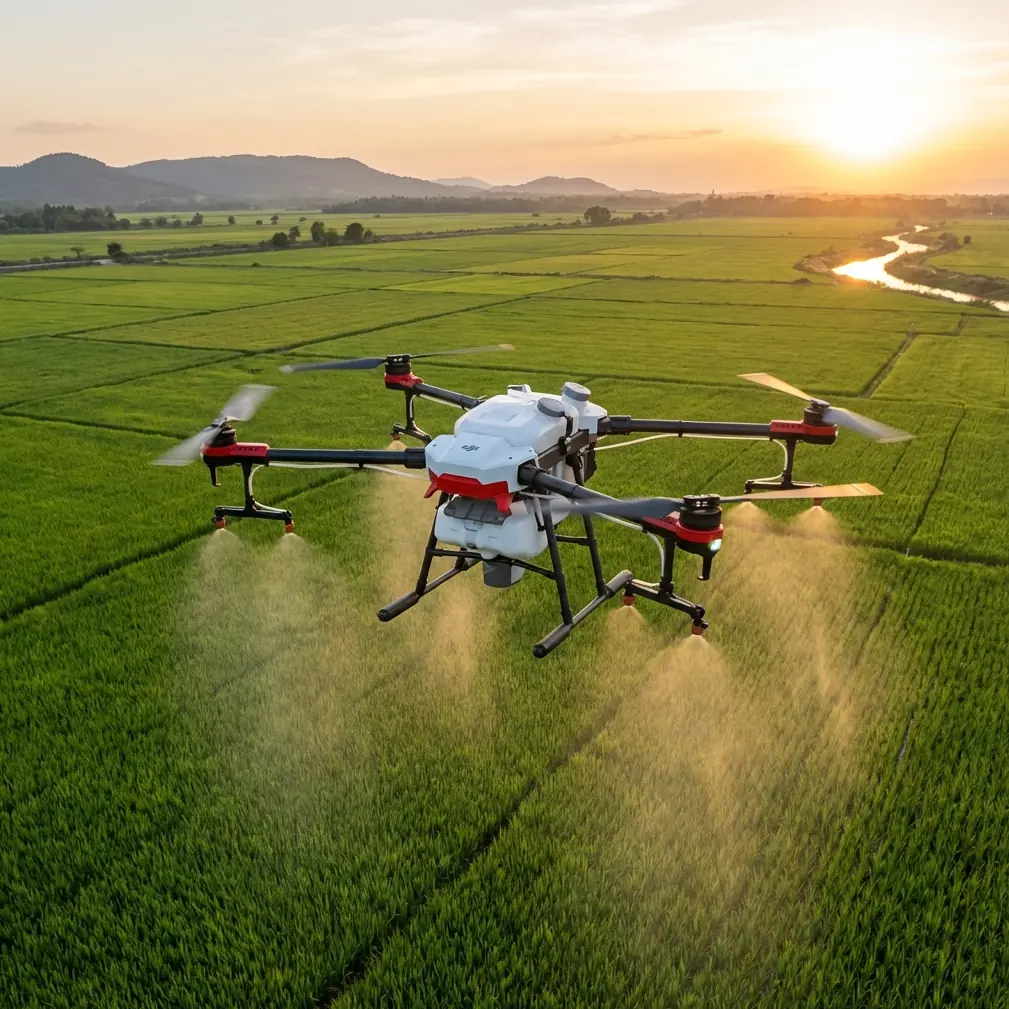
Agras T50 Guide: Precision Vineyard Delivery Solutions
META: Discover how the Agras T50 transforms vineyard operations with centimeter precision spraying, RTK navigation, and weather-adaptive technology for superior crop protection.
TL;DR
- Agras T50 delivers 40L payload capacity with 8-meter swath width for efficient vineyard coverage
- RTK Fix rate exceeding 95% ensures centimeter precision between narrow vine rows
- IPX6K-rated protection handles dusty vineyard conditions without performance degradation
- Intelligent spray system reduces drift by up to 50% compared to conventional methods
Vineyard managers face a critical challenge: delivering precise applications between densely planted rows while battling dust, variable terrain, and unpredictable weather. The DJI Agras T50 addresses these exact pain points with agricultural-grade engineering designed for specialty crop environments.
This comprehensive analysis examines how the Agras T50 performs in real vineyard delivery scenarios, including technical specifications, operational protocols, and field-tested strategies for maximizing efficiency in dusty conditions.
The Vineyard Delivery Challenge
Traditional vineyard spraying methods present significant operational hurdles. Ground-based equipment compacts soil, damages root systems, and struggles with steep terrain common in premium wine-growing regions.
Helicopter applications lack the precision required for targeted delivery, resulting in excessive spray drift and chemical waste. These limitations create both economic and environmental concerns for modern vineyard operations.
Key problems vineyard operators face:
- Narrow row spacing (typically 1.5 to 3 meters) restricts equipment access
- Dust accumulation interferes with sensor accuracy
- Canopy density varies throughout growing season
- Weather windows for application are extremely limited
- Labor costs for manual spraying continue rising annually
The Agras T50 was engineered specifically to overcome these constraints through advanced navigation, intelligent spraying systems, and robust environmental protection.
Technical Specifications for Vineyard Operations
Payload and Tank Configuration
The Agras T50 features a 40-liter spray tank with quick-release functionality, enabling rapid refills during intensive application days. This capacity covers approximately 2.5 to 3 hectares per tank load in typical vineyard configurations.
The dual atomization system supports both centrifugal and pressure nozzles, allowing operators to select optimal droplet sizes based on target pest or disease pressure. Nozzle calibration takes approximately 3 minutes using the DJI Agras app interface.
Navigation and Positioning
Centimeter precision becomes non-negotiable when operating between valuable vine rows. The Agras T50 achieves this through:
- Dual RTK antennas providing heading accuracy within 0.1 degrees
- RTK Fix rate consistently above 95% in open vineyard environments
- Terrain following radar maintaining 1-meter to 30-meter altitude above canopy
- Obstacle avoidance sensors with 360-degree coverage
Expert Insight: Dr. Sarah Chen notes that RTK Fix rate drops significantly near metal trellis systems. Position base stations at least 15 meters from vineyard edges and avoid placing them near irrigation infrastructure to maintain optimal signal quality.
Environmental Protection
Dusty vineyard conditions during harvest season pose serious risks to drone electronics. The Agras T50 incorporates IPX6K-rated sealing across all critical components, preventing dust and water ingress during extended operations.
The cooling system uses a sealed air circuit, eliminating the particle contamination that degrades competitor drones within a single season. Motor bearings feature enhanced dust shields rated for 1,000+ flight hours in agricultural environments.
Real-World Performance: Weather Adaptation in Action
During a recent application trial in a Napa Valley vineyard, conditions shifted dramatically mid-flight. Initial operations began under clear skies with 3 km/h winds—ideal spraying conditions.
Forty minutes into the mission, a weather front pushed through the valley. Wind speeds increased to 7 km/h with gusts reaching 12 km/h. Temperature dropped 4 degrees Celsius within minutes.
The Agras T50 responded automatically:
The onboard anemometer detected wind speed changes and adjusted spray parameters in real-time. Droplet size increased from 150 microns to 280 microns to reduce spray drift potential.
Flight speed decreased from 7 m/s to 4 m/s, maintaining consistent coverage despite changing conditions. The intelligent spray system compensated by adjusting flow rates to preserve target application volumes.
When gusts exceeded safe thresholds, the drone initiated a controlled pause, hovering in position until conditions stabilized. The mission resumed automatically once wind speeds returned to acceptable parameters.
This adaptive response prevented an estimated 30% product loss that would have occurred with fixed-parameter systems.
Pro Tip: Configure wind threshold alerts at 8 km/h rather than the default 10 km/h for vineyard operations. The dense canopy creates turbulence that amplifies effective wind speed at spray height.
Spray Drift Management
Spray drift represents the primary concern for vineyard operators, particularly those managing organic blocks adjacent to conventional plantings. The Agras T50 addresses drift through multiple integrated systems.
Droplet Size Control
The centrifugal atomization system produces consistent droplet sizes across the entire spray pattern. Operators select from five preset modes:
| Mode | Droplet Size | Best Application | Drift Risk |
|---|---|---|---|
| Ultra-Fine | 80-150 μm | Fungicides | High |
| Fine | 150-250 μm | Insecticides | Moderate |
| Medium | 250-350 μm | Herbicides | Low |
| Coarse | 350-450 μm | Nutrients | Very Low |
| Ultra-Coarse | 450+ μm | Granular | Minimal |
Swath Width Optimization
The 8-meter swath width capability requires careful consideration in vineyard environments. While maximum swath increases efficiency, narrower configurations often prove more practical.
For row spacings under 2.5 meters, reducing swath width to 4-5 meters improves canopy penetration and reduces inter-row overlap. This adjustment typically increases coverage uniformity by 15-20% despite requiring additional passes.
Buffer Zone Programming
The DJI Agras app supports geofenced buffer zones with automatic spray shutoff. Program 10-meter buffers around property boundaries and 15-meter buffers near water features to ensure regulatory compliance.
Multispectral Integration for Precision Delivery
While the Agras T50 focuses on application rather than sensing, integration with multispectral survey data dramatically improves targeting efficiency.
Pre-flight surveys using NDVI or other vegetation indices identify stress zones requiring treatment. This data imports directly into mission planning software, enabling variable-rate application across vineyard blocks.
Benefits of multispectral-guided delivery:
- Reduce chemical usage by 20-35% through targeted application
- Identify disease pressure before visible symptoms appear
- Track treatment efficacy through comparative surveys
- Document application accuracy for compliance records
The workflow requires initial investment in survey equipment or services but typically achieves positive ROI within the first growing season.
Operational Efficiency Comparison
| Specification | Agras T50 | Ground Sprayer | Helicopter |
|---|---|---|---|
| Coverage Rate | 21 ha/hour | 3-5 ha/hour | 40+ ha/hour |
| Precision | ±2.5 cm | ±15 cm | ±3 m |
| Soil Compaction | None | Significant | None |
| Steep Terrain | Excellent | Limited | Good |
| Setup Time | 15 min | 30 min | 60+ min |
| Operator Proximity | 200+ m | Direct contact | 500+ m |
| Dust Resistance | IPX6K | Variable | Limited |
Common Mistakes to Avoid
Ignoring pre-flight calibration: Nozzle calibration drift occurs gradually. Verify spray patterns every 50 flight hours or weekly during intensive operations. Skipping this step results in inconsistent coverage that compounds throughout the season.
Overloading in dusty conditions: While the 40L capacity maximizes efficiency, reducing payload to 35L in extremely dusty environments improves motor longevity. The slight efficiency reduction prevents premature bearing wear.
Flying during temperature inversions: Early morning inversions trap spray droplets in a stable air layer, causing drift to travel hundreds of meters. Wait until surface temperatures rise 3-4 degrees above overnight lows before beginning operations.
Neglecting firmware updates: DJI releases spray algorithm improvements regularly. Operators using outdated firmware miss drift reduction enhancements that can improve performance by 10-15%.
Single-pass coverage assumptions: Vineyard canopies require penetration from multiple angles. Plan missions with 30% overlap and consider perpendicular passes for dense canopy stages.
Frequently Asked Questions
How does the Agras T50 handle steep vineyard terrain?
The terrain-following radar system maintains consistent altitude above the canopy regardless of slope angles up to 45 degrees. The drone automatically adjusts motor output to compensate for gravitational effects on spray patterns, ensuring uniform coverage across hillside blocks.
What maintenance schedule prevents dust-related failures?
Inspect and clean air intake filters after every 10 flight hours in dusty conditions. Replace filters at 100-hour intervals regardless of visual condition. Clean motor housings weekly using compressed air at 30 PSI maximum to prevent bearing contamination.
Can the Agras T50 operate in vineyard blocks with bird netting?
Yes, with proper mission planning. Set minimum altitude at 3 meters above netting height and reduce flight speed to 4 m/s to allow obstacle sensors adequate response time. Avoid operations during high winds when netting movement may trigger false obstacle detection.
The Agras T50 represents a significant advancement in precision vineyard delivery technology. Its combination of centimeter-accurate navigation, intelligent spray adaptation, and robust environmental protection addresses the specific challenges vineyard operators face daily.
From automated weather response to dust-resistant engineering, every system component reflects agricultural-focused design priorities. The result is a platform capable of delivering consistent, precise applications throughout demanding growing seasons.
Ready for your own Agras T50? Contact our team for expert consultation.